


Product Title Here
Put a bird on it tumblr trust fund sustainable williamsburg green juice.

Product Title Here
Put a bird on it tumblr trust fund sustainable williamsburg green juice.
Product Title Here

Put a bird on it tumblr trust fund sustainable williamsburg green juice.

Product Title Here
Put a bird on it tumblr trust fund sustainable williamsburg green juice.

Product Title Here
Put a bird on it tumblr trust fund sustainable williamsburg green juice.
Product Title Here

Put a bird on it tumblr trust fund sustainable williamsburg green juice.
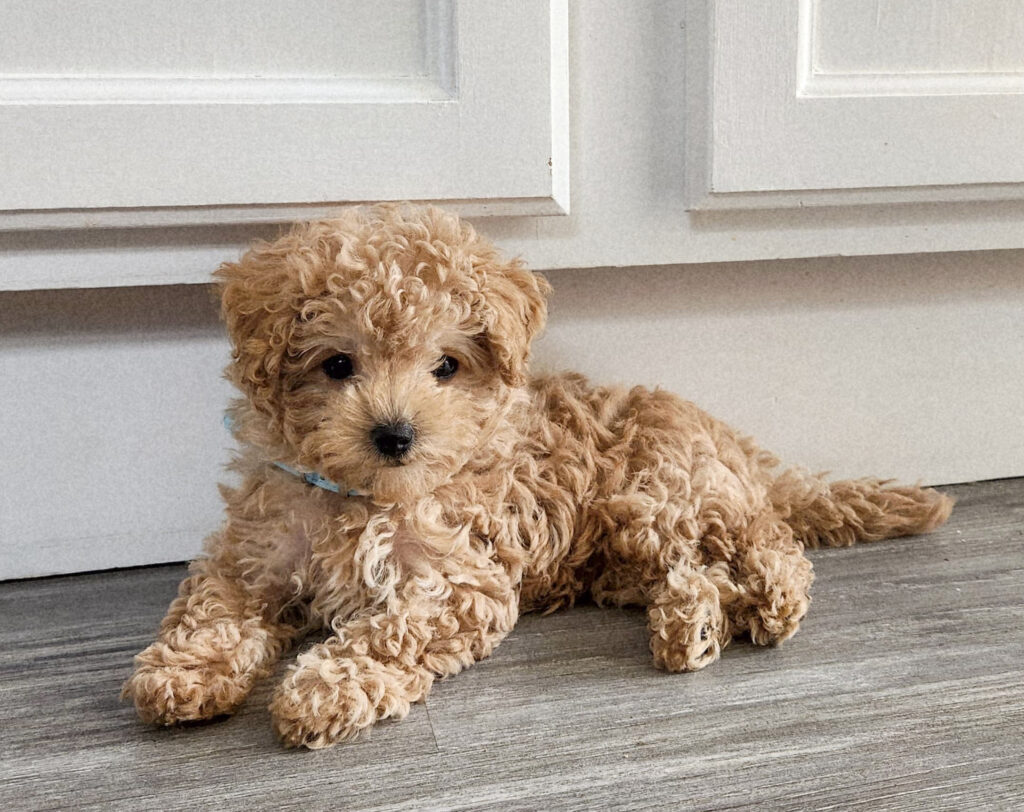
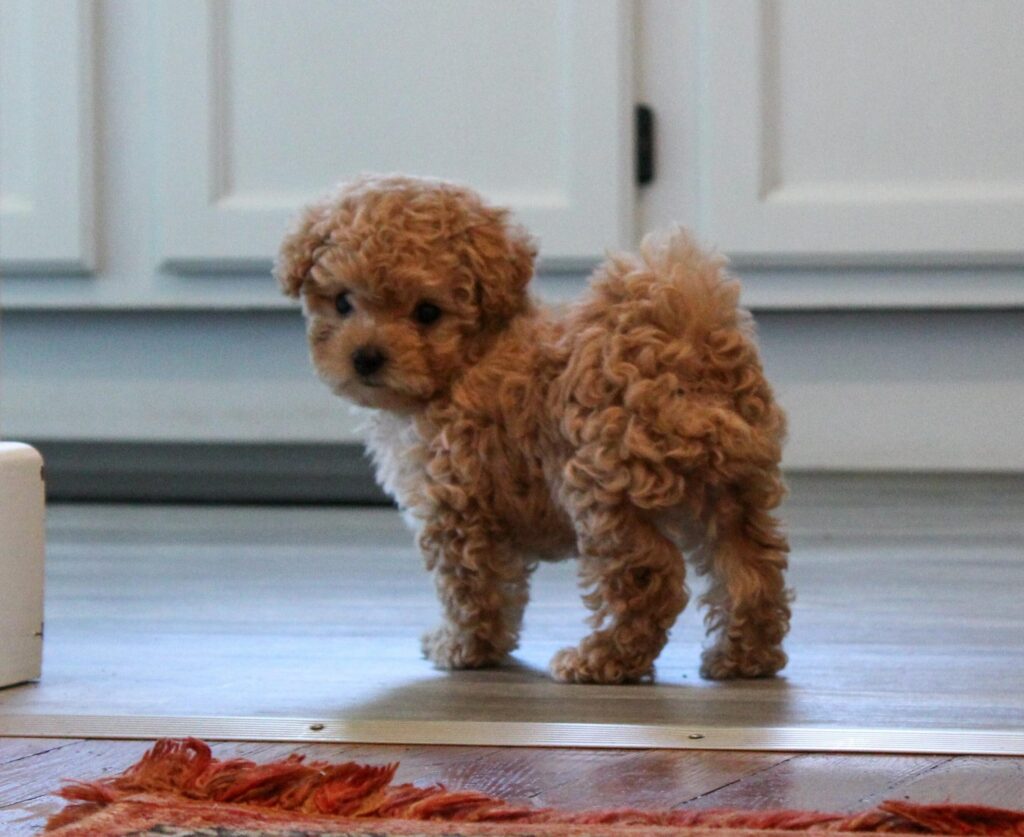
How big does a Maltipoo get when fully grown? Most Maltipoos weigh between 5 and 20 pounds and stand approximately 8 to 14 inches tall at the shoulder. Many reach close to their adult size between 9 and 12 months, although some continue filling out after their first birthday.
A Maltipoo’s adult size depends largely on genetics, including the size of its Maltese and Poodle parents. Because Maltipoos are a mixed breed, puppies from the same litter can grow into noticeably different-sized adult dogs.
In this guide, we’ll cover full-grown Maltipoo weight and height, puppy growth stages, expected adult size, and the factors that influence how big your Maltipoo will become. Whether you’re researching the breed or watching your own puppy grow, understanding these size differences can help you know what to expect.
Quick Answer: How Big Is a Full Grown Maltipoo?
| Measurement | General Reference |
|---|---|
| Full-grown Maltipoo weight | Approximately 5–20 pounds |
| Full-grown Maltipoo height | Approximately 8–14 inches at the shoulder |
| Near-adult size | Often around 9–12 months |
| Continued development | Some Maltipoos continue filling out beyond 12 months |
These are general estimates, not official Maltipoo breed standards. Because Maltipoos are mixed-breed dogs, individual puppies may grow smaller or larger than these ranges. No breeder can guarantee an exact adult weight or height.
How Big Do Maltipoos Get When Fully Grown?
A full-grown Maltipoo typically weighs between 5 and 20 pounds and stands approximately 8 to 14 inches tall at the shoulder. However, not every Maltipoo will fall within this range. Their adult size depends largely on genetics, particularly the size of their Maltese and Poodle parents.
Because Maltipoos are a mixed breed, there is no single standard adult size. Some remain very small, while others grow into slightly larger companion dogs.
What Is the Average Full Grown Maltipoo Weight?
Most full-grown Maltipoos weigh approximately 5 to 20 pounds, although individual dogs can fall outside this range.
Maltipoos bred from smaller Toy Poodles and Maltese parents may remain toward the lower end of the weight range. Those with larger Toy Poodle or Miniature Poodle ancestry may grow heavier.
Even puppies from the same litter can reach different adult weights. Genetics influence each puppy differently, so an estimated adult weight should always be viewed as a prediction rather than a guarantee.
How Tall Is a Full Grown Maltipoo?
A full-grown Maltipoo generally stands around 8 to 14 inches tall at the shoulder.
A dog’s height is measured from the ground to the highest point of the shoulder blades, known as the withers, while the dog is standing naturally. It is not measured to the top of the head.
Height and weight do not always increase proportionally. Two Maltipoos may weigh the same but have different body proportions, leg lengths, and overall builds.
Are All Full Grown Maltipoos the Same Size?
No. One of the most important things to understand about Maltipoo size is that adult weight and height can vary, even among puppies from the same litter.
The size of the parents offers useful clues, but inherited traits from earlier generations can also influence growth.
A responsible breeder should be able to discuss the parents’ sizes, previous puppy growth patterns when available, and realistic expectations for each litter.
Ultimately, choosing a Maltipoo should involve more than finding a particular adult weight. Health, temperament, and compatibility with your lifestyle are equally important.
Understanding Maltipoo Size Descriptions
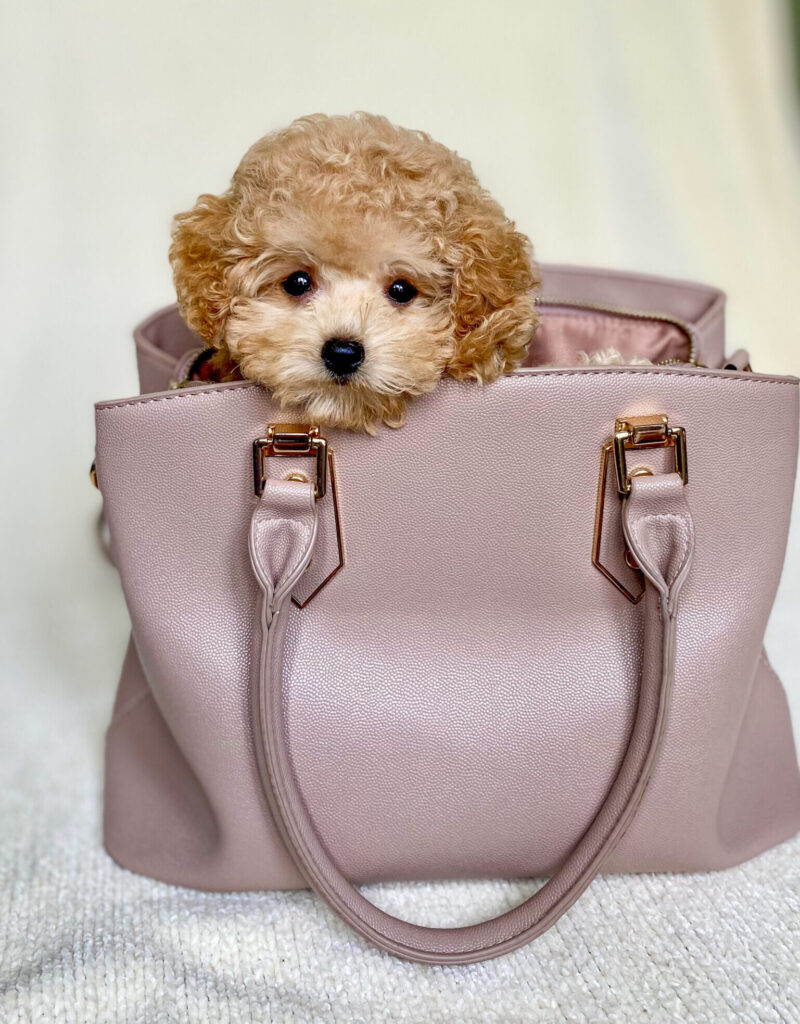
When researching Maltipoo puppies, you may encounter terms such as Toy, Mini, and Teacup Maltipoo. These descriptions are commonly used by breeders to communicate expected adult size, but they are not officially standardized Maltipoo size classifications.
The terms can vary between breeders, so they should not be treated as guaranteed adult weight ranges.
A puppy’s expected size is better evaluated by looking at the actual adult weights of both parents, their genetics, and available growth information from previous litters.
If you’re comparing Toy and Mini Maltipoos, our guide to Toy vs. Mini Maltipoo sizes explains the differences in more detail.
For families specifically interested in exceptionally small Maltipoos, see our complete guide to Teacup Maltipoo puppies.
Maltipoo Growth Chart: Puppy Weight by Age
How much should a Maltipoo weigh as it grows? Maltipoos grow most rapidly during their first few months, with many reaching close to their full-grown size between 9 and 12 months of age. However, there is no single Maltipoo growth chart that accurately predicts every puppy’s weight.
Because Maltipoos are a mix of Maltese and Poodle, their growth patterns depend on genetics, parent size, nutrition, and individual development. Tracking your puppy’s weight over time is more useful than comparing one measurement to a general average.
Maltipoo Size at 8 Weeks
At 8 weeks old, Maltipoo puppies are still very small and developing rapidly. Many are beginning the transition to their new homes, learning routines, and becoming more independent.
Although an 8-week-old Maltipoo’s weight can offer clues about future size, it cannot reliably determine exact adult weight. Two puppies weighing the same at 8 weeks may grow into noticeably different-sized adults.
Maltipoo Size at 3 Months
By 3 months, Maltipoo puppies are typically gaining weight steadily as their bodies develop.
This is a useful time to begin tracking your puppy’s growth consistently. Recording weight at regular intervals helps you and your veterinarian identify normal growth patterns and recognize unexpected changes.
Maltipoo Size at 4–6 Months
Between 4 and 6 months, Maltipoos often experience noticeable changes in height, body proportions, and overall appearance.
Some smaller Maltipoos may begin approaching their adult height during this period, while larger puppies may continue growing more noticeably.
A 6-month-old Maltipoo’s weight can help inform an adult-size estimate, but it is not a guaranteed prediction.
Maltipoo Size at 6–9 Months
Between 6 and 9 months, many Maltipoos begin approaching their mature height and weight.
Growth often slows compared with the earliest puppy months, although individual differences remain significant. Puppies with larger Poodle ancestry may take longer to mature than smaller Maltipoos.
Maltipoo Size at 12 Months
By their first birthday, many Maltipoos are close to their full-grown size.
Some may continue filling out, developing muscle, and gaining a little additional weight beyond 12 months. Healthy growth should be assessed through body condition and veterinary guidance, not weight alone.

When Is a Maltipoo Fully Grown?
Most Maltipoos reach close to their full-grown size between 9 and 12 months old, although some may continue developing beyond their first birthday.
Because Maltipoos inherit traits from both Maltese and Poodle parents, the exact age at which they stop growing can vary. Smaller Maltipoos often mature earlier, while larger Maltipoos may need additional time to reach their adult height and weight.
Understanding these growth stages can help puppy owners set realistic expectations and avoid worrying unnecessarily about normal differences in development.
At What Age Do Maltipoos Stop Growing?
Many Maltipoos reach most of their adult height and weight by approximately 9 to 12 months of age.
However, reaching adult height doesn’t always mean a dog has finished physically maturing. Some Maltipoos continue developing muscle and body proportions after their height has stabilized.
Genetics, parent size, nutrition, and overall health all contribute to an individual puppy’s growth timeline.
Rather than expecting your Maltipoo to stop growing at an exact age, monitor its development over time and discuss any concerns with your veterinarian.
Do Smaller Maltipoos Grow Faster Than Larger Maltipoos?
Smaller Maltipoos generally reach physical maturity earlier than larger Maltipoos.
For example, a Maltipoo with smaller Toy Poodle ancestry may approach its adult size sooner than one with larger Miniature Poodle ancestry.
This is because smaller dogs typically have shorter growth periods than larger dogs.
However, these are general patterns rather than fixed rules. Two Maltipoos from the same litter can grow at different rates and reach their mature sizes at different ages.
Can a Maltipoo Keep Growing After One Year?
Yes. Some Maltipoos continue changing physically after 12 months, even when they have reached most of their adult height.
It’s important to distinguish between three types of changes:
- Height growth: An increase in skeletal height, which generally slows as a puppy approaches physical maturity.
- Filling out: Normal development of muscle and adult body proportions.
- Excess weight gain: An increase in body fat, which should not be confused with healthy growth.
A Maltipoo gaining weight after its first birthday isn’t necessarily getting taller or continuing normal puppy growth.
Maintaining an appropriate body condition through balanced nutrition, regular activity, and veterinary care is more important than reaching a particular number on the scale.
Many Maltipoos are close to full grown by their first birthday, but every puppy develops at its own pace. Parent size, genetics, and consistent growth tracking provide a more useful picture of what to expect than any single age or weight prediction.
What Determines a Maltipoo’s Full Grown Size?
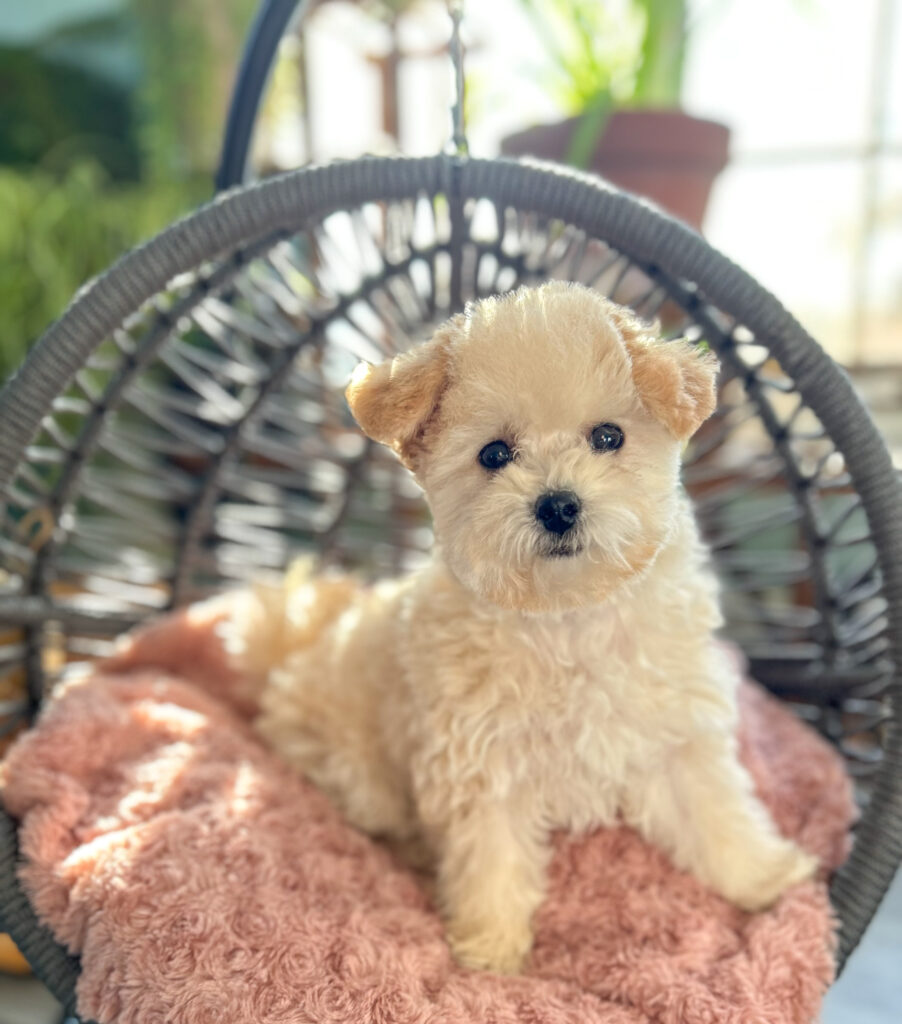
A Maltipoo’s full-grown size is primarily determined by genetics, especially the size of its Maltese and Poodle parents. However, adult weight and height are influenced by several factors, including inherited traits, individual growth patterns, nutrition, and overall health.
Because Maltipoos are mixed-breed dogs, their adult size can vary considerably, even when puppies come from the same litter.
The Size of the Maltese Parent
The Maltese parent plays an important role in determining a Maltipoo puppy’s potential adult size.
Maltese dogs are a small toy breed, generally weighing under 7 pounds according to the American Kennel Club breed standard. However, individual Maltese dogs may be smaller or larger.
A Maltipoo with a smaller Maltese parent may inherit genes associated with a smaller body size, but the Maltese parent’s weight alone cannot predict the puppy’s final size.
Both parents contribute to the puppy’s genetic makeup, making it important to consider their sizes together.
Toy Poodle vs. Miniature Poodle Genetics
The Poodle parent can significantly influence how big a Maltipoo gets when fully grown.
Toy Poodles are generally smaller than Miniature Poodles. According to American Kennel Club breed standards, Toy Poodles stand 10 inches or less at the shoulder, while Miniature Poodles stand over 10 inches and up to 15 inches.
A Maltipoo with Toy Poodle ancestry may be more likely to remain small, while one with Miniature Poodle ancestry may have the potential to grow larger.
However, these are tendencies, not guarantees. The actual size of the individual Poodle parent matters more than the size label alone.
Why Puppies From the Same Litter Can Grow to Different Sizes
Even Maltipoo puppies with the same parents can reach different adult weights and heights.
This happens because each puppy inherits a unique combination of genes. One puppy may inherit traits associated with a smaller build, while a sibling may develop longer legs, a broader frame, or a heavier adult weight.
For this reason, two puppies that appear similar in size at 8 weeks old may look noticeably different when fully grown.
Can Nutrition Affect Maltipoo Growth?
Yes. Proper nutrition supports healthy bone development, muscle growth, and overall physical development.
Maltipoo puppies need a complete, balanced diet appropriate for growth, along with suitable feeding portions and regular veterinary care.
Underfeeding a puppy to keep it small is unsafe and can interfere with healthy development. Overfeeding can contribute to excess body weight rather than healthy growth.
The best approach is to support your Maltipoo’s natural growth potential instead of trying to control its adult size through food.
When evaluating a Maltipoo puppy’s expected size, ask the breeder about both parents’ adult weights and the mature sizes of puppies from previous litters, when that information is available.
How Can You Estimate Your Maltipoo Puppy’s Adult Size?
If you’re wondering how big your Maltipoo puppy will get, several factors can help you make an educated estimate.
The most useful clues are the parents’ adult weights, your puppy’s growth pattern, and the mature sizes of related dogs. However, no method can predict a Maltipoo’s exact adult weight with complete accuracy. See more about poodle adult weight here.
Look at the Parents’ Adult Weights
One of the best starting points for estimating a Maltipoo’s full-grown size is looking at both parents.
For example, a puppy whose parents are both relatively small may be more likely to remain small than a puppy with a significantly larger Poodle parent.
However, genetics are not always predictable. Puppies can inherit size-related traits from earlier generations, and siblings may develop differently.
A breeder familiar with the parents and previous litters may be able to provide a more informed estimate.
Track Your Puppy’s Growth Over Time
Regular weight tracking can help you understand how your Maltipoo is developing.
Weigh your puppy consistently, ideally using the same scale and similar conditions each time. Record the results by age so you can identify changes in its growth rate.
Instead of focusing on one number, look at the overall pattern.
A puppy gaining weight steadily and maintaining a healthy body condition may be developing normally, even if its weight differs from another Maltipoo of the same age.
Your veterinarian can help assess whether your puppy’s growth is appropriate.
Can You Predict Adult Maltipoo Weight From Puppy Weight?
You may have seen online Maltipoo weight calculators that estimate adult size by multiplying a puppy’s weight at a certain age.
Although these formulas can provide rough estimates, they are not scientifically reliable guarantees of a Maltipoo’s final adult weight.
Growth rates vary between puppies, and a single measurement cannot account for genetics, parent size, or individual development.
A puppy that grows quickly during its early months may slow down sooner than expected, while another may continue growing for longer.
Use online calculators as general references rather than exact predictions.
Why Responsible Breeders Give Estimates, Not Guarantees
A responsible Maltipoo breeder should be transparent about the uncertainty involved in predicting adult size.
An estimated weight range may be based on parent sizes, previous litters, and the puppy’s current development. However, even experienced breeders cannot guarantee that a puppy will mature at an exact weight.
Be cautious of promises that a Maltipoo will definitely remain under a specific number of pounds.
If you’re considering bringing home a Maltipoo puppy, ask about the parents’ adult sizes and any available growth history from previous puppies.
Understanding the likely size range can help you choose a puppy that fits your lifestyle while keeping realistic expectations about its development.
Full Grown Maltipoo Size Compared With Other Small Dogs
How does a full-grown Maltipoo compare in size to other popular small dog breeds?
Maltipoos are generally considered small companion dogs, but their adult weight and height can overlap with several other breeds and Poodle mixes.
Maltipoo vs. Maltese Size
A Maltese is generally smaller and has a more predictable adult size because it is an established purebred breed.
Maltipoos can grow larger than Maltese dogs, particularly when they have larger Toy Poodle or Miniature Poodle ancestry.
Maltipoo vs. Toy Poodle Size
Toy Poodles stand 10 inches or less at the shoulder according to the American Kennel Club breed standard.
A full-grown Maltipoo may be similar in size to a Toy Poodle or noticeably larger, depending on the size of its parents and inherited traits.
Maltipoo vs. Cavapoo Size
Cavapoos are a cross between a Cavalier King Charles Spaniel and a Poodle.
Many Cavapoos are larger than smaller Maltipoos, particularly when bred from Miniature Poodles. However, their adult-size ranges can overlap considerably.
Maltipoo vs. Cockapoo Size
Cockapoos are a cross between a Cocker Spaniel and a Poodle.
Many Cockapoos grow larger than Maltipoos, especially those with Miniature or Standard Poodle ancestry. However, smaller Cockapoos and larger Maltipoos can be similar in size.
Small Dog Size Comparison Chart
| Dog Breed | Approximate Adult Weight |
|---|---|
| Maltipoo | 5–20 pounds |
| Maltese | Typically under 7 pounds |
| Toy Poodle | Commonly 4–6 pounds |
| Cavapoo | Often 10–25 pounds |
| Cockapoo | Often 12–30 pounds, sometimes larger |
These are general reference ranges, not guaranteed sizes. Mixed-breed dogs can fall outside these estimates depending on their parentage.
Is a Full Grown Maltipoo a Good Size for Your Lifestyle?
A full-grown Maltipoo’s small size can make this breed an appealing companion for apartment dwellers, families, and people who enjoy traveling with their dogs. However, choosing the right Maltipoo involves more than finding your preferred adult weight.
Exercise needs, temperament, grooming requirements, and your daily routine are just as important as size.
Are Maltipoos Good Apartment Dogs?
Yes, many Maltipoos can adapt well to apartment living because of their small size and generally manageable exercise needs.
However, living comfortably in an apartment depends on more than square footage.
Maltipoos still need daily walks, playtime, mental stimulation, and opportunities to socialize. Some may also bark at unfamiliar sounds, visitors, or activity outside the home.
Consistent training and a predictable routine can help a Maltipoo adjust to apartment life.
Are Maltipoos Easy to Travel With?
A smaller Maltipoo may be easier to transport than a larger dog, particularly when using a travel carrier.
However, not every full-grown Maltipoo will meet airline cabin size or weight requirements.
Airlines have different policies regarding carrier dimensions, pet fees, and travel restrictions. Always check the specific airline’s current rules before booking.
Regardless of size, Maltipoos benefit from gradual carrier training, comfortable travel arrangements, and preparation for unfamiliar environments.
Are Smaller Maltipoos Suitable for Families With Children?
Maltipoos can be affectionate family companions, but very small dogs require careful handling.
Smaller Maltipoos may be more vulnerable to accidental injuries from falls, rough play, or being picked up incorrectly.
Children should be taught to interact gently, respect a dog’s personal space, and recognize when the dog needs a break.
Adult supervision is especially important with young children. A dog’s individual temperament and the family’s ability to provide safe interactions matter more than size alone.
Does Maltipoo Size Affect Grooming and Care Costs?
A smaller Maltipoo may require less food than a larger dog, but small size does not necessarily mean low maintenance.
Maltipoos need regular brushing, coat maintenance, dental care, veterinary visits, preventive treatments, and training.
Professional grooming costs can vary depending on coat condition, grooming frequency, location, and the services provided.
Before choosing a puppy, consider the ongoing responsibilities of dog ownership, not just the convenience of having a small companion.
Real Full Grown Maltipoo Sizes and Data From Our Past Puppy Families
One of the best ways to understand how big Maltipoos get when fully grown is to look at real dogs and their growth histories.
General Maltipoo size charts can provide useful estimates, but they cannot show exactly how every puppy develops. Actual weight records from dogs raised by our puppy families can offer a more realistic picture of the differences between individual Maltipoos.
Below are three growth stories highlighting smaller, medium-sized, and larger adult Maltipoos from our breeding program.
Note: The following profiles are intended to be completed with verified information from our puppy families. Individual results are examples of natural variation, not predictions or guarantees for future puppies.
Maltipoo Growth Story #1 — A Smaller Adult Maltipoo
Meet Kono
Kono is a F1b Maltipoo who has matured into a smaller adult dog.
| Growth Information | Recorded Details |
|---|---|
| Birth Weight | 5.6 oz |
| Weight at approximately 8 weeks | 1 lb 9 oz |
| Current adult weight | 3 lb |
| Maltipoo parent’s adult weight | 5 lb |
| Poodle parent’s adult weight | 3 lb |
Maltipoo Growth Story #2 — A Medium-Sized Adult F1b Maltipoo
Meet Gigi
| Growth Information | Recorded Details |
|---|---|
| Birth Weight | 6.2 oz |
| Weight at approximately 8 weeks | 1 lb 14 oz |
| Current adult weight | 5 lb 8 oz |
| Maltipoo parent’s adult weight | 5 lb |
| Poodle parent’s adult weight | 3 lb 8 oz |
What This Maltipoo Data Shows Us
When comparing real Maltipoo growth histories, several patterns may become apparent.
Puppies from similar-sized parents can mature at different weights. Some Maltipoos reach most of their adult size relatively early, while others continue developing for longer. Even puppies from the same litter may have different growth patterns.
These individual records can help prospective puppy families understand why adult-size estimates should be treated as informed expectations rather than guarantees.
If you’re considering one of our Maltipoo puppies, you’re welcome to ask about the parents’ adult weights and any available growth information from previous litters. We’re happy to share what we know and explain what remains uncertain so you can make an informed decision about the puppy that’s right for your household.
Frequently Asked Questions About Maltipoo Size
1. How big is a full grown Maltipoo?
A full-grown Maltipoo typically weighs approximately 5–20 pounds and stands 8–14 inches tall at the shoulder. However, adult size varies depending on genetics and the size of the Maltese and Poodle parents. Some Maltipoos mature outside these ranges, so individual growth history is more useful than a single breed-wide estimate.
2. How much should a full grown Maltipoo weigh?
Many adult Maltipoos weigh between 5 and 20 pounds, but there is no single ideal weight for every Maltipoo. A healthy adult weight depends on the dog’s frame, height, muscle development, and body condition. Your veterinarian can help determine whether your Maltipoo is maintaining an appropriate weight.
3. How tall is a full grown Maltipoo?
A full-grown Maltipoo generally stands approximately 8–14 inches tall. Height is measured from the ground to the top of the shoulders, not the top of the head. Maltipoos with larger Poodle ancestry may grow taller, while those with smaller parents may remain shorter.
4. When do Maltipoos stop growing?
Most Maltipoos reach close to their adult size between 9 and 12 months old. Smaller Maltipoos may mature earlier, while larger dogs may take longer. Some continue developing muscle and adult body proportions after their first birthday, even when they have stopped gaining height.
5. How big does a Toy Maltipoo get?
A Toy Maltipoo is generally a smaller Maltipoo, often with Toy Poodle ancestry. However, Toy Maltipoo is not an officially standardized size category, so there is no guaranteed adult weight range. Ask about both parents’ actual weights and previous puppy growth records for a more realistic estimate.
6. How big does a Mini Maltipoo get?
A Mini Maltipoo is typically described as somewhat larger than a Toy Maltipoo, sometimes because of Miniature Poodle ancestry. However, breeders may use the term differently. Since there is no official Mini Maltipoo weight standard, parent sizes and individual genetics are better indicators of potential adult size.
7. Can a Maltipoo weigh 20 pounds?
Yes. A healthy adult Maltipoo can weigh 20 pounds, particularly if it inherits a larger frame from its Poodle ancestry. Some Maltipoos may weigh even more. Weight alone does not determine whether a dog is overweight; body proportions and overall condition should also be considered.
8. Is a 10-pound Maltipoo considered small?
Yes. A 10-pound Maltipoo is generally considered a small dog and falls within the commonly described adult Maltipoo weight range. However, a 10-pound Maltipoo may have different proportions from another dog of the same weight. Height, body frame, and healthy body condition also matter.
9. How big will my 8-week-old Maltipoo get?
An 8-week-old Maltipoo’s weight can provide an early clue about future size, but it cannot reliably predict exact adult weight. Parent sizes, inherited traits, and growth patterns all influence development. Tracking your puppy’s weight over several months gives a more useful picture than relying on one early measurement.
10. Does the size of the Poodle parent affect Maltipoo size?
Yes. The Poodle parent’s size can significantly influence a Maltipoo’s potential adult weight and height. Puppies with smaller Toy Poodle ancestry may remain smaller, while those with Miniature Poodle ancestry may grow larger. However, both parents contribute genetically, so the Poodle parent’s size is not the only factor.
11. Can two Maltipoos from the same litter grow to different sizes?
Yes. Maltipoo puppies from the same litter can mature at noticeably different weights and heights. Each puppy inherits a unique combination of genes, including traits affecting body frame and growth. Even siblings that weigh approximately the same at 8 weeks may reach different adult sizes.
12. Are Maltipoo adult-size predictions accurate?
Maltipoo adult-size predictions are estimates, not guarantees. Breeders may consider parent weights, previous litters, and a puppy’s growth history when estimating mature size. However, genetics and individual development create uncertainty. Be cautious of anyone promising that a Maltipoo puppy will reach an exact adult weight.
Looking for a Maltipoo Puppy? Understanding Expected Adult Size Before Choosing
Choosing a Maltipoo puppy is an exciting decision, and understanding its potential adult size can help you prepare for life with your new companion.
Whether you’re hoping for a smaller Maltipoo or are comfortable with a slightly larger dog, it’s important to remember that adult size is only one part of finding the right puppy.
Temperament, health, grooming requirements, activity level, and compatibility with your household all deserve careful consideration.
At our breeding program, we believe prospective puppy families should have realistic expectations. While no breeder can guarantee an exact adult weight, information about the parents’ sizes and available growth histories from previous litters can help you make an informed decision.
If you’re considering adding a Maltipoo to your family, we invite you to explore our available puppies and learn more about their parents, development, and individual personalities.
We’re also happy to discuss expected adult-size ranges, explain the factors that influence growth, and answer your questions before you choose a puppy.
Ready to Find Your Maltipoo?
View Our Available Maltipoo Puppies
See our current puppies and learn more about each one.
Veterinary & Scientific References
The following veterinary, scientific, and breed-standard resources provide additional information about puppy growth, canine genetics, nutrition, healthy weight, and the parent breeds that influence Maltipoo size.
- Merck Veterinary Manual — Feeding Practices in Small Animals
Veterinary guidance on puppy nutrition, growth, and physical maturity.
https://www.merckvetmanual.com/management-and-nutrition/nutrition-small-animals/feeding-practices-in-small-animals - WALTHAM Petcare Science Institute — Puppy Growth Charts
Research-based puppy growth charts designed to help monitor healthy development, including in mixed-breed dogs.
https://www.waltham.com/resources/puppy-growth-charts - American Animal Hospital Association (AAHA) — Canine Life Stage Definitions
Veterinary guidance explaining canine life stages and how physical maturity varies among dogs.
https://www.aaha.org/resources/life-stage-canine-2019/canine-life-stage-definitions/ - World Small Animal Veterinary Association (WSAVA) — Global Nutrition Guidelines
Evidence-based guidance on appropriate nutrition, body condition, and maintaining a healthy weight.
https://wsava.org/global-guidelines/global-nutrition-guidelines/ - National Institutes of Health (NIH) — Canine Body Size Study
Scientific information explaining how inherited genetic factors influence adult body size in dogs.
https://research.nhgri.nih.gov/dog_genome/study_descriptions/study-body_size.shtml - National Library of Medicine / PubMed — A Single IGF1 Allele Is a Major Determinant of Small Size in Dogs
Peer-reviewed research examining genetic factors associated with small body size in dogs.
https://pubmed.ncbi.nlm.nih.gov/17412960/ - American Kennel Club (AKC) — Maltese Breed Information
Reference information about the Maltese, including typical size and breed characteristics.
https://www.akc.org/dog-breeds/maltese/ - American Kennel Club (AKC) — Toy Poodle Breed Information
Reference information about Toy Poodle size and breed characteristics.
https://www.akc.org/dog-breeds/poodle-toy/ - American Kennel Club (AKC) — Miniature Poodle Breed Information
Reference information about Miniature Poodle size and breed characteristics.
https://www.akc.org/dog-breeds/poodle-miniature/
Important Note About Maltipoo Size
Maltipoos are a cross between a Maltese and a Poodle, and they do not have an officially standardized adult weight or height. Size ranges and growth timelines discussed in this article are general estimates, not guarantees. Individual growth depends on genetics, parent size, nutrition, and overall health.
For guidance about your Maltipoo puppy’s growth, feeding requirements, or healthy weight, consult your veterinarian.
If you’re also considering a Cavapoo, our Mini Cavapoo vs. Toy Cavapoo size guide explains how Cavapoo sizes compare and what to expect from each.
